
FuelEU Maritime Starts Pricing LNG Methane Slip
From January 1, 2026, the EU’s FuelEU Maritime framework takes full effect and brings methane slip from LNG-powered ships into mandatory carbon cost accounting. For LNG shipping, marine engine supply, onboard monitoring, and related compliance services, this is not just a rule update but a direct operating-cost signal that can affect vessel selection, charter competitiveness, and supplier access to EU-linked business.
What the Rule Change Confirms
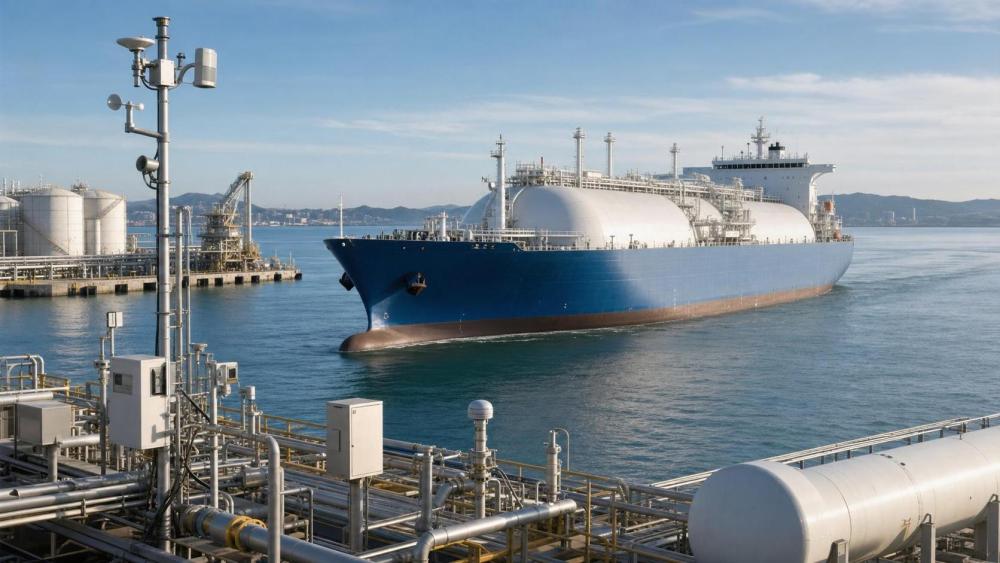
The confirmed change is that FuelEU Maritime is fully implemented as of January 1, 2026, and methane slip generated during the operation of LNG-powered vessels is now included in compulsory carbon cost calculations. Wood Mackenzie has indicated that older DFDE LNG carriers on European routes could see per-voyage compliance costs rise by 18–25%, with a clear effect on charter competitiveness. The policy also directly affects global LNG shipowner procurement decisions, engine technology selection, and bunkering service cooperation models. For Chinese suppliers offering LNG-powered vessels, dual-fuel engines, methane monitoring systems, and integrated BWT/EGCS solutions to the EU market, the change serves as a concrete compliance and market-access signal.
Where the Pressure Is Likely to Appear First
Older LNG carrier fleets face a sharper cost test
From an industry perspective, the most immediate pressure falls on owners and operators of older DFDE LNG carriers serving European routes. The reason is straightforward: once methane slip is counted in carbon cost calculations, technical differences between vessel types translate more directly into voyage economics and charter positioning.
Engine and equipment decisions move closer to compliance economics
Analysis shows that engine technology selection is likely to be influenced more directly by measured or expected methane slip exposure. This creates closer scrutiny not only for dual-fuel engine choices, but also for methane monitoring systems and integrated onboard environmental solutions tied to operational compliance.
Bunkering and service partnerships may be reassessed
Observably, the policy also reaches into fueling and service cooperation models. Where EU-linked operations are involved, shipowners and service providers may need to pay more attention to how commercial arrangements support compliance visibility, documentation, and vessel performance expectations.
Chinese suppliers receive a clearer market-entry signal
For Chinese suppliers participating in EU-facing LNG vessel and equipment business, the impact is less about a single order cycle and more about qualification logic. What deserves closer attention is whether products and service packages can align with customer compliance needs under the new cost treatment of methane slip.
What Companies Should Watch Now
Separate confirmed rules from later implementation detail
Analysis shows that the confirmed policy direction is already clear, but companies should continue distinguishing between the rule now in force and any later official clarification on how compliance is interpreted in practice across contracts, operations, and technical documentation.
Review exposure by vessel type and route
For shipowners, chartering teams, and procurement functions, a practical priority is to identify where exposure is concentrated: older DFDE tonnage, European trading patterns, and projects where charter competitiveness is especially sensitive to per-voyage compliance cost.
Prepare technical and documentary support earlier
For engine suppliers, methane monitoring providers, and BWT/EGCS integration vendors, the immediate issue is not broad messaging but readiness of compliance-related materials. Customer discussions are likely to focus more on technical fit, measurable performance relevance, supporting documents, and delivery coordination tied to EU market requirements.
Expect customer conversations to become more specific
Observably, this type of regulation tends to shift commercial dialogue from general decarbonization positioning to specific operational questions. Companies serving EU-linked accounts should be ready for more detailed requests around applicability, equipment selection, and how solutions support compliance-sensitive vessel operations.
Why This Looks Like a Longer-Term Signal
Analysis shows that this development is better understood as more than a short-term policy headline. The rule is already in force, and the inclusion of methane slip in carbon cost accounting changes how LNG vessel efficiency is evaluated in commercial terms. At the same time, it is still appropriate to treat the market response as an evolving process rather than a fully settled outcome, because procurement choices, charter behavior, and supplier qualification responses will take time to show their full direction.
How to Read the Current Industry Meaning
At this stage, it is more appropriate to understand the development as a firm compliance signal with broader commercial implications. The immediate confirmed effect is the new cost treatment of methane slip under FuelEU Maritime. The wider significance lies in how that cost signal may reshape vessel competitiveness, equipment selection, and supplier positioning in EU-related LNG shipping business, especially for companies whose market access depends on meeting customer compliance expectations.
About the Basis of This Article
This article is based on the user-provided news title, event date, and event summary. For this type of development, relevant source categories often include official policy releases, company statements, industry association updates, authoritative media reporting, and standards-related documentation. A specific official source link was not provided in the input, so further verification remains necessary. Continued attention should focus on subsequent official wording, market interpretation in EU-linked shipping business, and how compliance expectations are reflected in procurement and service cooperation.
Related News
- How air lubrication changes container ship design and fuel savingsSep 15, 2026Marine Thermodynamics Expert
- When does a crane anti-sway retrofit improve container handling safety?Sep 14, 2026Terminal Kinematics Strategist
- What to verify before choosing a marine communication equipment supplier in NorwaySep 13, 2026Maritime Telemetry Fellow
- What drives marine engine retrofits cost on older vessels?Sep 12, 2026Marine Thermodynamics Expert
- How offshore structural engineering design manages fatigue in FPSO hullsSep 11, 2026Offshore Structural Scientist
- How to compare an automated guided vehicles manufacturer for port useSep 10, 2026Terminal Kinematics Strategist