
IMO Adopts LNG Tank Leak Monitoring Rule
On July 22, 2026, the IMO closed MEPC 83 with formal adoption of an amendment to MARPOL Annex VI, Article 20, making recognized real-time LNG fuel tank leak monitoring a mandatory compliance item for newbuild and retrofitted LNG-fueled ships from October 1, 2026. This is not just a technical update: it directly matters to LNG shipowners, shipyards, classification-driven approval work, and export-oriented suppliers involved in BWT and LNG system packages, because equipment selection, certification timing, and project compliance routes now need to align with a confirmed regulatory requirement.
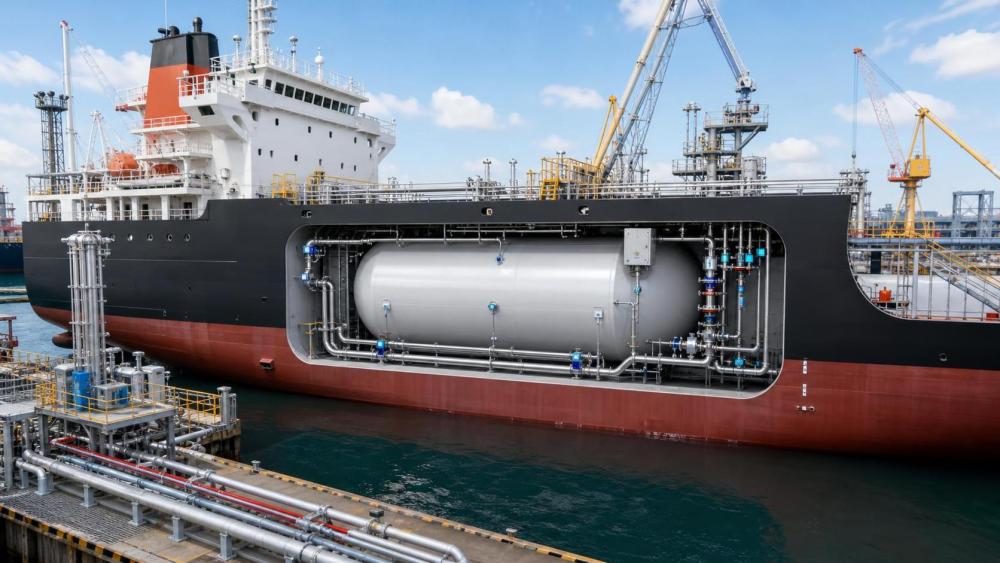
What the amendment now requires
The confirmed event is the formal adoption by the IMO Marine Environment Protection Committee at MEPC 83 on July 22, 2026, of an amendment to MARPOL Annex VI, Article 20.
According to the provided information, all new and retrofitted LNG-fueled vessels must, from October 1, 2026, be equipped with a recognized real-time LNG fuel tank leak monitoring system.
The scope expressly includes LNG carriers of 170k cbm and propulsion arrangements using dual-fuel two-stroke engines.
The requirement also states that the relevant system must pass classification society type approval and be handled under IACS unified interpretation.
Where the commercial impact is likely to appear first
Procurement decisions for LNG shipowners
From an industry perspective, shipowners are likely to feel the impact first at the procurement stage. Once leak monitoring becomes a mandatory certified item, purchasing decisions are no longer only about system function or preferred suppliers; they also need to reflect whether the equipment can satisfy recognized approval requirements within the vessel's delivery or retrofit schedule.
What deserves closer attention is the link between technical selection and compliance documentation. For owners ordering newbuildings or planning conversions, the practical issue is whether the chosen monitoring solution can move smoothly through type approval and classification review.
Compliance routes inside shipyard projects
Shipyards are likely to be affected through design integration, approval sequencing, and project delivery planning. Because the requirement applies to both newbuild and retrofit LNG-fueled vessels, the compliance path is not limited to future designs; it also reaches modification work that must now incorporate a recognized real-time monitoring function.
Analysis shows that the pressure point for yards is less about the headline rule itself and more about how early the monitoring system is locked into the build or retrofit package. Any mismatch between engineering choices and approval expectations could create friction in class review and handover preparation.
Export certification pressure for system suppliers
For suppliers, especially Chinese exporters involved in BWT and LNG system offerings, the impact is likely to center on certification readiness and customer-facing qualification materials. The amendment does not simply create a product preference; it sets a threshold that ties market access more closely to recognized approval status and interpretation under IACS.
Observably, suppliers serving international shipowners or shipyards will need to pay closer attention to how their product claims, approval status, and technical files are presented during export and bidding discussions. In this context, commercial competitiveness may increasingly depend on how clearly compliance can be demonstrated.
What companies should monitor now
Watch the wording around approval and interpretation
The immediate practical focus is the approval chain. The provided information makes clear that type approval by classification societies and IACS unified interpretation are part of the requirement. Companies should therefore pay attention not only to the rule text itself, but also to how approval expectations are expressed in implementation and review practice.
Separate regulatory adoption from project execution
Analysis shows that formal adoption and on-project execution are related but not identical. For commercial teams, engineering teams, and compliance staff, the key issue is how the mandatory date of October 1, 2026 translates into specification freeze dates, retrofit planning, purchase orders, and client communication milestones.
Review affected vessel and system categories
The scope named in the provided information is already specific enough to require internal review. Companies connected to 170k cbm LNG carriers, dual-fuel two-stroke engine arrangements, and LNG-fueled ship retrofit work should assess whether current product, project, or bidding pipelines fall within the affected range.
Prepare certification and delivery communication early
What deserves closer attention is the commercial interface between suppliers, yards, and owners. Where export business is involved, qualification documents, approval status statements, technical submittals, and delivery commitments may become more sensitive. Early alignment on what is already certified, what is still under review, and what must be accepted by class can reduce avoidable disputes later in the project cycle.
Why this looks like more than a routine compliance update
This section is an observation rather than a statement of fact. It is more appropriate to understand this amendment as a clear regulatory signal with near-term operational consequences, rather than as a distant policy direction. The effective date is already defined, the equipment category is specific, and the approval path is tied to recognized certification and IACS interpretation.
At the same time, it should not yet be overstated as a fully settled market outcome. Observably, the rule establishes the requirement, but the exact business impact for each company will still depend on vessel exposure, certification readiness, and how class and project stakeholders apply the requirement in real transactions.
How the market may need to read this development
In practical terms, this news matters because it turns LNG fuel tank leak monitoring from a technical option into a mandatory compliance consideration for affected vessels from October 1, 2026. For shipowners, shipyards, and system suppliers, the immediate relevance lies in procurement, design integration, approval scheduling, and export certification positioning.
From an industry perspective, the most balanced reading is that this is a confirmed rule change with direct short-term compliance implications and broader longer-term signaling for LNG-fueled vessel system selection. It is neither a minor procedural update nor a basis for sweeping conclusions beyond the information currently confirmed.
Basis of this article and what still needs verification
This article is based on the user-provided news title, event date, and event summary. It is written from those confirmed inputs and does not add unverified market data, project details, or external case references.
For this kind of development, relevant source types typically include official IMO materials, classification society notices, industry association updates, authoritative media coverage, and standard-setting or interpretation documents. A specific official source link was not provided in the input, so the underlying text and any follow-up implementation wording still need continued verification.
Further attention should remain on any subsequent official wording, class-level application guidance, and IACS-related interpretation that may shape how the requirement is applied in procurement, retrofit, and export certification work.
Related News
- How air lubrication changes container ship design and fuel savingsSep 15, 2026Marine Thermodynamics Expert
- When does a crane anti-sway retrofit improve container handling safety?Sep 14, 2026Terminal Kinematics Strategist
- What to verify before choosing a marine communication equipment supplier in NorwaySep 13, 2026Maritime Telemetry Fellow
- What drives marine engine retrofits cost on older vessels?Sep 12, 2026Marine Thermodynamics Expert
- How offshore structural engineering design manages fatigue in FPSO hullsSep 11, 2026Offshore Structural Scientist
- How to compare an automated guided vehicles manufacturer for port useSep 10, 2026Terminal Kinematics Strategist