Maritime Technology Innovation Trends Reshaping Shipping in 2026
Maritime technology innovation is moving from a specialist topic to a board-level priority in 2026. Shipping, offshore engineering, and port operations now face tighter emissions targets, volatile fuel economics, labor constraints, and higher expectations for visibility across global logistics networks.
What matters is not technology in isolation. The real shift is how propulsion, navigation, terminal automation, vessel design, and compliance systems are starting to work as one operational framework. That change is reshaping asset performance, capital planning, and competitive positioning across the maritime value chain.
Why maritime technology innovation now carries strategic weight
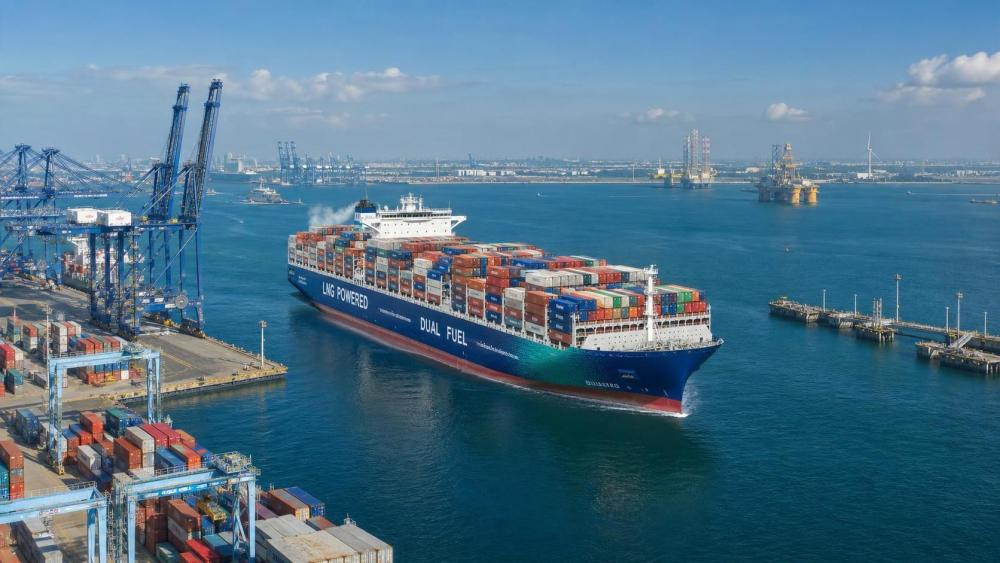
The shipping market is no longer judging vessels only by capacity or speed. In practice, fuel efficiency per voyage, carbon intensity, digital traceability, and port turnaround reliability are becoming equally important.
This is why maritime technology innovation has become a practical business issue. It affects newbuild specifications, retrofit timing, charter attractiveness, terminal throughput, and even financing conversations tied to environmental and operational risk.
For commercial fleets, the pressure is especially visible in CII performance, fuel flexibility, and voyage optimization. For ports and terminals, the conversation centers on automation, equipment productivity, and better orchestration between quayside assets and digital control layers.
In offshore operations, reliability under harsh conditions remains critical. Dynamic positioning, mooring systems, and remote monitoring now sit closer to decarbonization and lifecycle cost discussions than they did only a few years ago.
The technologies defining shipping in 2026
Maritime technology innovation covers a wide field, but several areas are shaping decisions faster than others. These are not isolated upgrades. They influence vessel design, route economics, compliance readiness, and infrastructure investment together.
Low-carbon propulsion and energy efficiency
Dual-fuel marine engines remain central, especially for LNG, methanol, and emerging ammonia pathways. Operators are balancing fuel availability, engine maturity, tank arrangement, safety requirements, and likely regulatory exposure over the asset life.
At the same time, efficiency technologies are gaining attention because they can improve performance before full fuel transitions mature. Air lubrication systems, hull optimization, CFD-led form refinement, and voyage speed tuning can reduce fuel burn without changing the core mission profile.
Smart navigation and connected operations
ECDIS, weather routing, ice radar, and broader decision-support systems are becoming more connected. The goal is not simply more screens on the bridge. The goal is better route choices, lower collision exposure, and improved fuel outcomes under changing sea states.
LEO satellite broadband is also changing expectations. Vessels can now exchange operational data with shoreside teams more consistently, making remote diagnostics, maintenance planning, and fleet-wide performance benchmarking more practical.
Port and terminal automation
Automated RMG cranes, STS crane anti-sway control, intelligent guided vehicles, and AI-enabled terminal operating systems are moving from showcase projects to productivity tools. Their value lies in consistency, safer handling, and better use of scarce berth and yard capacity.
This side of maritime technology innovation matters beyond terminals themselves. Faster vessel handling can reduce waiting time, improve schedule integrity, and lower emissions linked to congestion and inefficient port calls.
Where the business impact is most visible
The strongest technologies in 2026 are the ones that connect engineering performance with measurable commercial outcomes. That usually means lower fuel consumption, more predictable operations, cleaner compliance reporting, or stronger asset utilization.
This is also why market intelligence platforms such as MOES are becoming more useful. The challenge is rarely a lack of equipment names. The challenge is understanding how propulsion, offshore systems, terminal machinery, and compliance rules connect in actual investment decisions.
What decision quality depends on
Not every innovation delivers equal value across vessel classes or operating environments. A large container ship, an LNG carrier, a bulk carrier, and an FPSO face different technical limits, commercial exposures, and retrofit windows.
That makes context essential. Maritime technology innovation should be judged through operating profile, route structure, fuel access, maintenance capability, class requirements, and expected charter or cargo market demands.
- Check whether a technology solves a specific performance constraint or only adds complexity.
- Compare retrofit feasibility against newbuild integration benefits.
- Test claims using lifecycle cost, not only upfront capex.
- Review fuel, spare parts, software support, and crew readiness together.
- Map the compliance effect against IMO rules, CII exposure, and reporting burden.
A common mistake is treating digital systems as separate from machinery choices. In reality, performance gains often depend on integration. A weather routing platform is stronger when linked to propulsion data. A terminal automation program is stronger when paired with equipment control feedback and traffic forecasting.
Signals shaping the next round of investment
Several signals suggest that maritime technology innovation will remain a capital allocation theme beyond 2026. One is the continued push toward decarbonization without a single dominant fuel pathway. Another is the need for more transparent operating data across fleets, ports, and offshore projects.
There is also a structural shift in how assets are evaluated. Buyers and financiers increasingly look at technology readiness, compliance resilience, and efficiency potential alongside conventional engineering quality.
For exporters and equipment suppliers, this changes how capability should be presented. Technical specifications matter, but so do application cases, certification status, digital compatibility, and evidence of performance under real operating conditions.
For infrastructure projects, the same logic applies. Port automation or offshore system investment should be tied to throughput assumptions, safety outcomes, resilience, and return on operational uptime, not only to technology novelty.
How to approach maritime technology innovation in practice
A useful starting point is to define the operational question before comparing technologies. That could mean reducing fuel per TEU, improving station-keeping in harsh waters, raising terminal moves per hour, or tightening compliance control across multiple vessels.
From there, decision-making becomes more disciplined. Technology can be screened against measurable outcomes, integration requirements, supplier depth, and timing. This avoids investing in tools that look advanced but do not materially improve the operating model.
A second step is to build comparison criteria across engineering, operations, and regulation. MOES reflects this broader approach by connecting shipbuilding technology, offshore systems, marine propulsion, smart navigation, terminal automation, and IMO compliance into one decision framework.
That kind of cross-domain view matters because shipping performance is no longer determined by one subsystem alone. Maritime technology innovation now works best when technical, commercial, and compliance questions are assessed together, early, and with real application context.
The next practical move is simple: identify the operational bottleneck, define the relevant performance metrics, and compare technologies by lifecycle value rather than headline promise. That is the most reliable way to turn innovation into durable advantage in 2026.
- offshore engineering
- shipbuilding technology
- marine propulsion
- port automation
- smart navigation
- FPSO
- mooring systems
- dual-fuel marine engines
- air lubrication systems
- RMG cranes
- intelligent guided vehicles
- terminal operating systems
- ECDIS
- ice radar
- LEO satellite broadband
- weather routing
- hull optimization
- IMO compliance
- CII
- anti-sway control
- voyage optimization
- shipbuilding
- marine engines
- dual-fuel engines
- terminal automation
- maritime technology
- maritime technology innovation
- crane anti-sway control
Related News
- How air lubrication changes container ship design and fuel savingsSep 15, 2026Marine Thermodynamics Expert
- When does a crane anti-sway retrofit improve container handling safety?Sep 14, 2026Terminal Kinematics Strategist
- What to verify before choosing a marine communication equipment supplier in NorwaySep 13, 2026Maritime Telemetry Fellow
- What drives marine engine retrofits cost on older vessels?Sep 12, 2026Marine Thermodynamics Expert
- How offshore structural engineering design manages fatigue in FPSO hullsSep 11, 2026Offshore Structural Scientist
- How to compare an automated guided vehicles manufacturer for port useSep 10, 2026Terminal Kinematics Strategist