CIMC ENRIC Wins LNG Bunkering Vessel Order
On June 14, 2026, a newbuilding order awarded to CIMC ENRIC subsidiary Nantong CIMC Sinopacific Offshore & Engineering for 1+1 LNG bunkering vessels of 20,000 m³ points to more than a single commercial deal. In industry terms, it reflects a clearer execution signal around market acceptance of technical compliance, equipment certification, and delivery credibility required for LNG bunkering assets entering operation for major energy users in hub ports such as Rotterdam and Singapore. For shipbuilders, equipment suppliers, certification-related service providers, procurement teams, and export-facing contractors, the development is worth watching because it may influence how future tenders, technical reviews, document packages, and supplier qualification expectations are framed.
A confirmed entry into an international operating chain
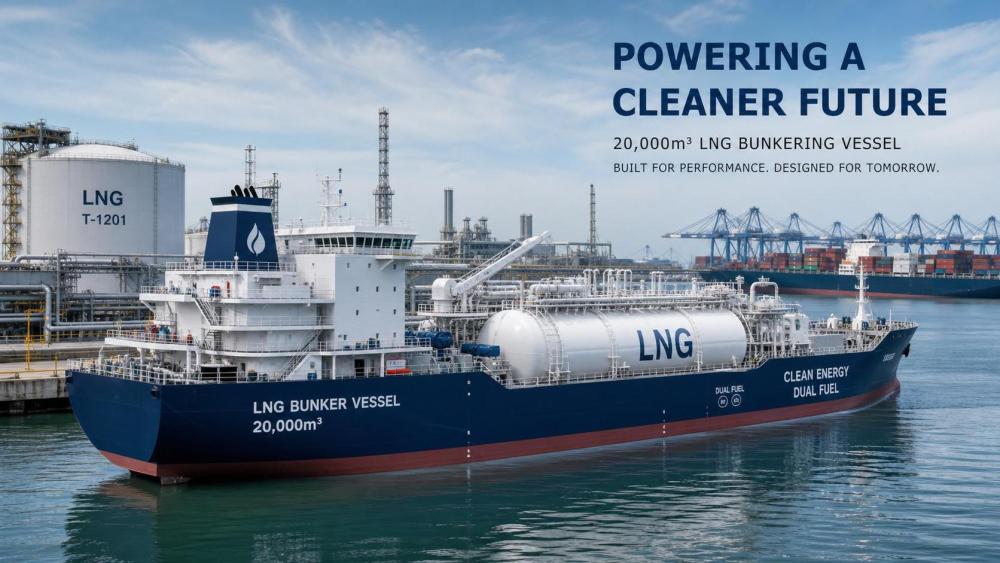
The confirmed facts are limited but commercially meaningful. On June 14, 2026, Nantong CIMC Sinopacific Offshore & Engineering, a subsidiary of CIMC ENRIC, signed a construction contract for 1+1 LNG bunkering vessels of 20,000 m³ with a joint platform formed by CMA CGM and TotalEnergies. The vessels are planned for long-term charter to TotalEnergies and for operation in hub ports including Rotterdam and Singapore.
The event summary also indicates that this is the first time Chinese LNG bunkering vessels have entered the operating system of a European energy major on a batch basis. It further shows rising international recognition of domestically produced dual-fuel propulsion, cryogenic containment, and intelligent bunkering control systems.
Where the rule signal may be felt first
For shipbuilders and system integrators
Analysis shows the most immediate implication is not a formal rule change announced in the text, but a stronger market signal on what level of technical alignment may be expected when vessels are intended for long-term operation by major energy participants in internationally visible ports. Shipbuilders and integrators may need to pay closer attention to specification alignment, compliance documentation, interface control across propulsion and cryogenic systems, and the consistency of delivery records presented during bid review and contract negotiation.
For component and equipment suppliers
From an industry perspective, suppliers linked to dual-fuel propulsion, low-temperature containment, and bunkering control functions may face tighter scrutiny in qualification and procurement stages. The likely impact is on technical files, test records, traceability materials, manufacturing consistency statements, and after-sales support commitments. What deserves closer attention is whether future buyers place greater weight on complete document sets and operational compatibility evidence rather than on price-led competition alone.
For trading, export, and delivery teams
Observably, the order also matters for companies involved in export delivery chains and cross-border project execution. When vessels are built for use in internationally important bunkering hubs, contract performance may place more emphasis on document readiness, delivery coordination, quality retention records, and service-response arrangements after handover. That does not confirm a new binding trade rule in itself, but it does suggest that compliance-sensitive execution could become a larger part of commercial competitiveness.
For certification-related and testing service providers
Analysis shows this type of project can elevate the importance of verification support around equipment performance, control-system reliability, and low-temperature service documentation. Certification-related firms and testing bodies should therefore watch whether future tenders or review procedures call for more detailed technical substantiation, more harmonized test reporting, or clearer evidence of system integration capability.
What companies should monitor next
Track how technical acceptance is expressed
It is more appropriate to understand this event as a signal that technical acceptance thresholds may be described more explicitly in future commercial documents. Companies should therefore monitor how buyers describe requirements in invitations to bid, technical annexes, and project clarification rounds, especially for LNG bunkering applications tied to major operators or hub-port deployment.
Prepare document packages beyond core manufacturing claims
Analysis shows that manufacturers and suppliers should be ready with organized technical dossiers, inspection and testing records, interface descriptions, and quality traceability materials. The event summary highlights recognition of dual-fuel propulsion, cryogenic containment, and intelligent bunkering control systems, so companies active in these areas should expect documentation quality to matter alongside product capability.
Watch supplier qualification and delivery obligations
For procurement and project execution teams, a practical focus should be supplier qualification stability, production coordination, and delivery support commitments. Because the vessels are intended for long-term charter operations in major ports, companies should watch for stricter expectations in vendor review, service responsiveness, and post-delivery support language, even if the present input does not provide the final execution details.
Stay alert to follow-on wording from buyers and market participants
Observably, the next useful signal may come from how buyers, chartering parties, or related market participants describe compliance expectations in later statements or tender materials. Companies should not assume that one order automatically resets the whole market, but they should monitor whether similar projects begin to reference comparable technical and documentary expectations.
Why this looks more like an execution signal than a finished rule shift
From an industry perspective, this development is best read as an execution-level signal rather than proof of a fully defined new regulatory framework. The confirmed facts show acceptance of Chinese-built LNG bunkering vessels within the operating system of a European energy major, and that alone can influence how market participants interpret credibility, qualification, and technical review standards. At the same time, the input does not provide formal new regulations, certification circulars, or binding policy texts, so any broader conclusion still requires caution.
Analysis shows the more important near-term question is whether this commercial acceptance is followed by repeatable changes in procurement language, review criteria, certification practice, or delivery management across similar projects. That is the part the industry still needs to observe carefully.
How this development is best understood now
At this stage, the order is most appropriately understood as a credible market signal that internationally recognized LNG bunkering projects may be opening more space for Chinese shipbuilding and onboard system capabilities, provided technical compliance, documentation, and delivery execution remain convincing. It should not yet be treated as a guaranteed change in all market rules or tender practices.
A rational reading is that the event highlights growing acceptance at the intersection of manufacturing capability, operational trust, and compliance readiness. For companies across the supply chain, the practical takeaway is to monitor whether this signal turns into a more stable pattern in qualification, procurement, certification, and project delivery requirements.
Basis of this article and points requiring verification
This article is generated on the basis of the user-provided news title, event date, and event summary. For events of this type, commonly relevant source categories may include official company announcements, statements from regulatory bodies, trade or customs authorities, industry association updates, standard-setting documents, and reporting by established industry media.
No specific official source link was provided in the input, so the precise official documentation remains subject to further verification. What still needs continued observation includes any later policy detail, certification interpretation, changes in tender wording, market feedback, and the actual execution path taken by the companies involved.
Related News
- How air lubrication changes container ship design and fuel savingsSep 15, 2026Marine Thermodynamics Expert
- When does a crane anti-sway retrofit improve container handling safety?Sep 14, 2026Terminal Kinematics Strategist
- What to verify before choosing a marine communication equipment supplier in NorwaySep 13, 2026Maritime Telemetry Fellow
- What drives marine engine retrofits cost on older vessels?Sep 12, 2026Marine Thermodynamics Expert
- How offshore structural engineering design manages fatigue in FPSO hullsSep 11, 2026Offshore Structural Scientist
- How to compare an automated guided vehicles manufacturer for port useSep 10, 2026Terminal Kinematics Strategist