
Hormuz Reopening Pushes VLCC Rates Lower
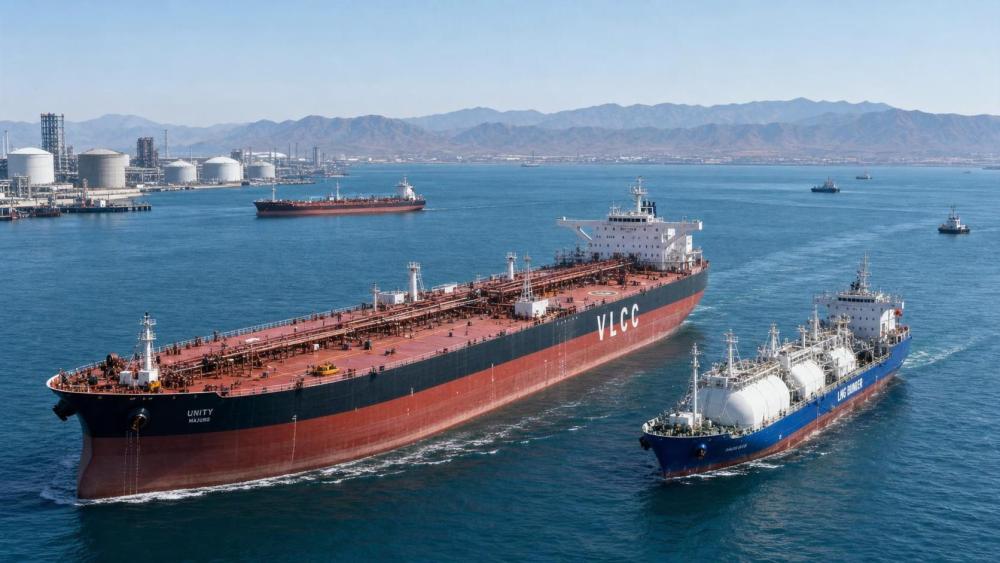
On June 15, 2026, the Strait of Hormuz resumed normal navigation after the signing of a US-Iran peace agreement, removing the freight surcharges linked to Cape of Good Hope rerouting and the war-risk premium previously attached to cargo value. For shipping, offshore procurement, and marine equipment supply chains, the development matters because it changes near-term charter demand, vessel availability, and the purchasing pace of overseas shipowners tied to LNG bunkering vessels, dual-fuel propulsion systems, and BWT/EGCS supporting equipment.
What Has Been Confirmed Since Traffic Normalized
According to the provided event information, the return to normal transit through the Strait of Hormuz took effect on June 15, 2026. The 30% to 113% freight premium associated with rerouting around the Cape of Good Hope has fully faded, and the war-risk surcharge of 0.5% to 1% of cargo value has also disappeared. The same input states that institutions expect vessel supply for VLCCs and LNG bunkering ships to recover over the next three months, while the restart of Iranian crude exports is occurring at the same time. The provided information further indicates that short-term leasing demand across the global LNG fleet is cooling.
Where The Pressure May Appear First In The Value Chain
Shipowners and chartering desks face a reset in timing
From an industry perspective, shipowners and chartering teams may feel the impact first because the removal of rerouting and war-risk costs changes the economics behind short-term vessel deployment. The main effect is likely to show up in chartering decisions, vessel scheduling, and the urgency of capacity booking. What deserves closer attention is whether procurement and investment reviews are delayed as transport conditions become less strained.
Chinese LNG bunkering vessel builders may see slower order conversion
Analysis shows that Chinese builders of LNG bunkering vessels, including companies such as CIMC Enric mentioned in the input, could face short-term pressure in overseas order momentum. The reason is not necessarily a structural change in demand, but a possible pause in customer decision-making as vessel supply recovers and short-term leasing demand cools. The business links most exposed are quotation follow-up, order conversion, and project approval timing.
Propulsion and onboard equipment exporters should watch customer CAPEX cycles
Observably, exporters of dual-fuel propulsion systems and suppliers of BWT/EGCS supporting equipment may be affected through their overseas shipowner customer base. The immediate issue is less about technical demand than about purchasing rhythm: if owners slow vessel investment approvals, equipment ordering, specification locking, and delivery planning may also shift. What deserves closer attention is whether clients move from urgent procurement to a more selective review of capital expenditure.
What Companies Should Monitor In The Next Few Months
Separate restored navigation from restored purchasing urgency
Analysis shows that normal transit conditions do not automatically mean unchanged order flow. For suppliers and builders, a practical focus is to distinguish between the operational reopening of the route and the pace at which customers restart or defer procurement approvals.
Track changes in client approval and tender timelines
For companies serving overseas shipowners, current attention should center on tender schedules, budget sign-off, and internal CAPEX review cycles. The provided information specifically points to procurement rhythm and approval timing, making customer communication and project pipeline visibility more important than broad market assumptions.
Review delivery planning against softer short-term leasing demand
Observably, if short-term LNG fleet leasing demand cools as expected, suppliers may need to reassess delivery sequencing, production planning, and discussions tied to near-term project urgency. This is especially relevant where equipment orders depend on owners committing to vessel deployment schedules.
Keep documentation and execution readiness aligned with shifting schedules
From an industry perspective, when customer timing becomes less certain, supplier readiness still matters. Companies may need to pay closer attention to quotation validity, technical documentation, fulfillment lead times, and communication records so that projects can proceed smoothly if delayed approvals move forward again.
Why This Looks More Like A Near-Term Reset Than A Final Outcome
Analysis shows that this development is better understood as a near-term market reset rather than a fully settled long-term direction. The confirmed facts point to lower transport friction, fading risk premiums, and softer short-term leasing demand, but the business response across shipbuilding and marine equipment is still mediated by customer procurement behavior. It is more appropriate to understand this as a stage in which operating conditions have improved faster than investment confidence may adjust.
How The Market May Read This Development For Now
At this stage, the industry significance lies in the repricing of urgency. The reopening of the Strait of Hormuz removes extraordinary cost layers and may increase vessel availability, but the commercial effect on LNG bunkering vessel orders and related equipment exports is more likely to emerge through slower customer decision cycles than through an immediate collapse in underlying business need. A neutral reading is that this is a short-term change with clear operational consequences, while its longer-term demand implications still require observation.
Basis Of This Article And What Still Needs Verification
This article is generated based on the user-provided news title, event date, and event summary. For this type of industry development, commonly relevant source categories may include official announcements, company disclosures, industry association updates, authoritative media reporting, and standard-setting organization documents. A specific official source link was not provided in the input, so the underlying details still require ongoing verification. Follow-up attention should focus on any formal statements related to navigation normalization, the practical pace of Iranian crude export resumption, and whether overseas shipowner procurement and CAPEX approvals stabilize or continue to slow in the coming months.
Related News
- How air lubrication changes container ship design and fuel savingsSep 15, 2026Marine Thermodynamics Expert
- When does a crane anti-sway retrofit improve container handling safety?Sep 14, 2026Terminal Kinematics Strategist
- What to verify before choosing a marine communication equipment supplier in NorwaySep 13, 2026Maritime Telemetry Fellow
- What drives marine engine retrofits cost on older vessels?Sep 12, 2026Marine Thermodynamics Expert
- How offshore structural engineering design manages fatigue in FPSO hullsSep 11, 2026Offshore Structural Scientist
- How to compare an automated guided vehicles manufacturer for port useSep 10, 2026Terminal Kinematics Strategist