
IMO activates CII mandatory disclosure, 24,000TEU container ship operation and charter terms are under pressure
The International Maritime Organization (IMO) officially implemented the "Implementation Rules for Mandatory Disclosure of Ship Energy Efficiency Index (EEXI) and Carbon Intensity Index (CII)" on August 14, 2026, requiring all international sailing ships above 5,000 gross tons to synchronize CII annual rating data in real time on the RightShip, ICS ShipInsight and EU MRV platforms from now on. For ultra-large container ships, especially 24,000TEU-class Mega Container Ships, this means that energy efficiency performance is no longer just an internal operating indicator, but directly enters the external disclosure and transaction negotiation process.
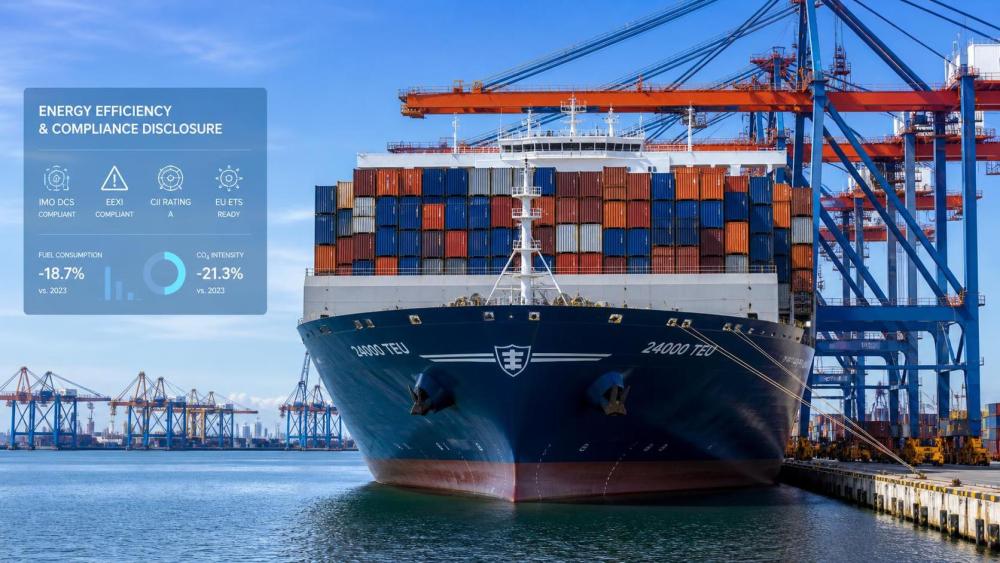
Judging from the current information, this mechanism most directly affects speed management, fuel procurement and lease responsibility allocation. For container shipping, with liner network stability at its core, how ships balance timeliness, fuel consumption and ratings will more frequently become part of operational decisions. If annual ratings need to be continuously synchronized to multiple platforms, shipowners and charterers will have higher requirements for data caliber, update rhythm, and responsibility boundaries. Especially in long-term charter parties, compliance pressure may be further pushed forward.
It’s worth noting that this change isn’t just about the ship itself. Port operators, ship managers, and carbon data service supply chains also need to face the test of data interfaces and docking capabilities. For fleets that are already promoting energy-saving transformation, whether the transformation plan can be transformed into sustainable rating improvements in actual operations will receive more attention than simple equipment updates. For ships and suppliers that have not completed adaptation, they may first be exposed to the pressure of inconsistent information synchronization, unclear division of responsibilities and renegotiation of contract terms in the short term.
In terms of industry signals, IMO has incorporated CII annual rating data into the real-time disclosure framework this time, indicating that ship carbon reduction management is moving from regulatory reporting to stronger market visibility. What deserves attention in the future is not only how shipowners adjust their speed and fuel strategies, but also whether charterers will further specify carbon data provision obligations, rating fluctuation responsibilities and related default arrangements in the contract. The current information reflects the enforcement of the rules themselves, and the real market impact will also depend on the actual enforcement of the parties at the data, system and contract levels.
This article is based on the information provided this time. You can continue to pay attention to IMO-related official announcements, corporate announcements, industry association information and authoritative media follow-up reports on fleet enforcement.
Related News
- What latency and reliability does a container terminal 5G network require?Sep 28, 2026Terminal Kinematics Strategist
- Can voyage planning improve CII compliance without schedule delays?Sep 27, 2026Dr. Elias Vance
- What determines cargo capacity on PCTC vessels?Sep 26, 2026Naval Hydrodynamics Architect
- When turret mooring systems make sense for an FPSO in harsh watersSep 25, 2026Offshore Structural Scientist
- When do terminal automation solutions reduce container yard costs?Sep 24, 2026Ms. Vivienne Cross
- How Transpacific vessel weather routing reduces heavy-weather exposureSep 23, 2026Maritime Telemetry Fellow